Hi!
What is this course about?
Complexity: A science like a fungus, connecting all sorts of traditional fields, breaching boundaries, crossing lines and connecting phenomena
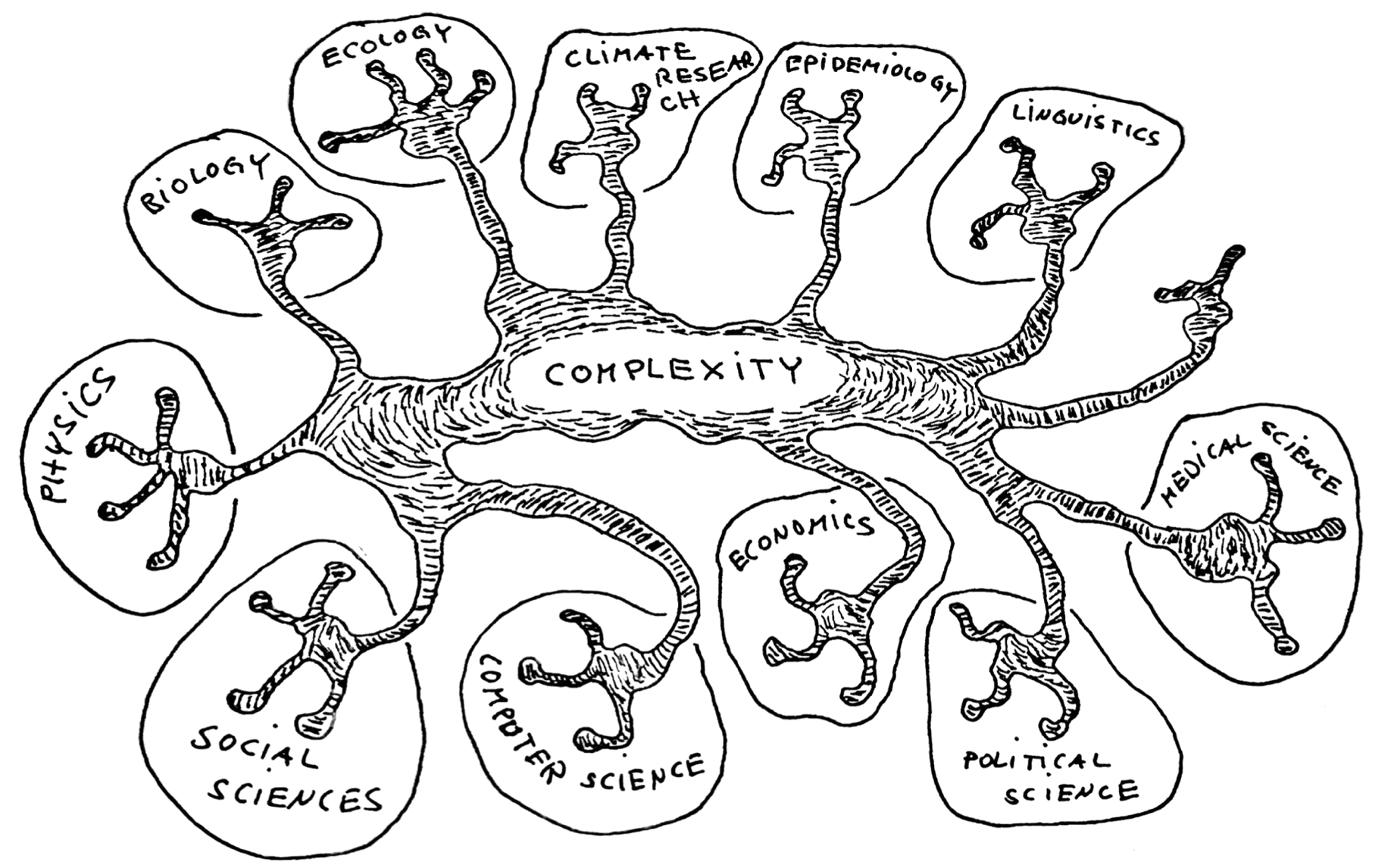
Complexity: A science like a fungus, connecting all sorts of traditional fields, breaching boundaries, crossing lines and connecting phenomena
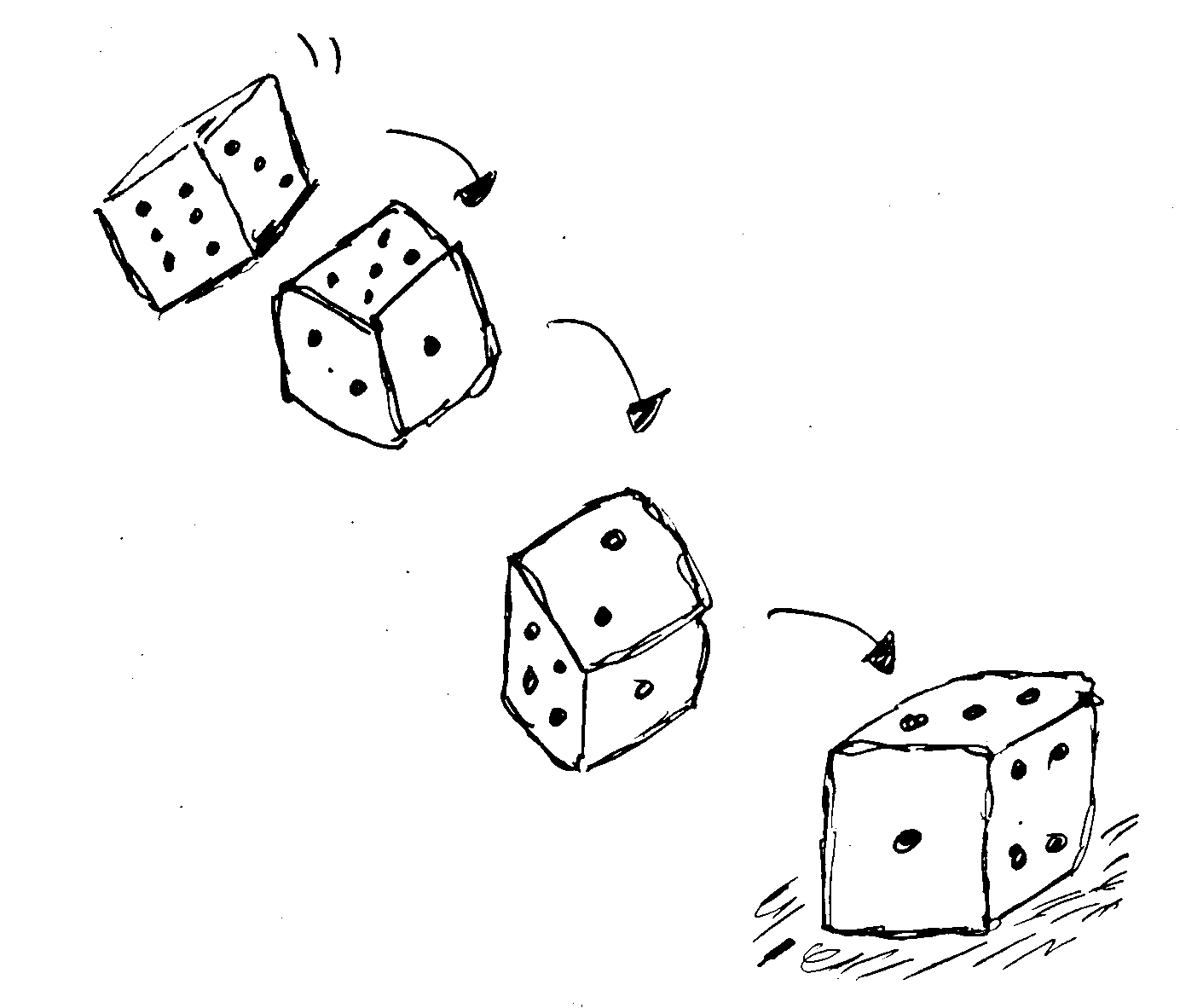

A rolling die: A complex system.
This course is about understanding complex dynamic phenomena in biological, physical and social systems. The focus is on biological systems but with a particular emphasis on how phenomena observed in biological systems are related to systems outside of biology. For example: Are the dynamic patterns observed in flocking birds and schooling fish related to pedestrian dynamics, or politica polarization? What are the underlying principles?
Complexity science is about unraveling these underlying principles that drive a complex phenomenon and trying to construct models based on these underlying principles that can reproduce the basic properties of a system with as few ingredients as possible. Complex systems come in different flavors and can be associated with different fundamental phenomena and concepts each of which will be covered in the course.
AI is about predicting things we don’t understand. Complexity is about understanding things we can’t predict.


How to synchronize: All you need are five metronomes, a board and two empty cans.
Most of these concepts and phenomena occur and are applied across a broad range of fields. Here’s a list of those that will be covered in the course:
- Chaotic Dynamics
- Synchronization
- Pattern Formation
- Critical Phenomena & Tipping Points
- Growth Processes
- Collective Behavior
- Complex Networks
- Fractals & Self-Similarity
- Cooperative Systems
Complexity Explorables
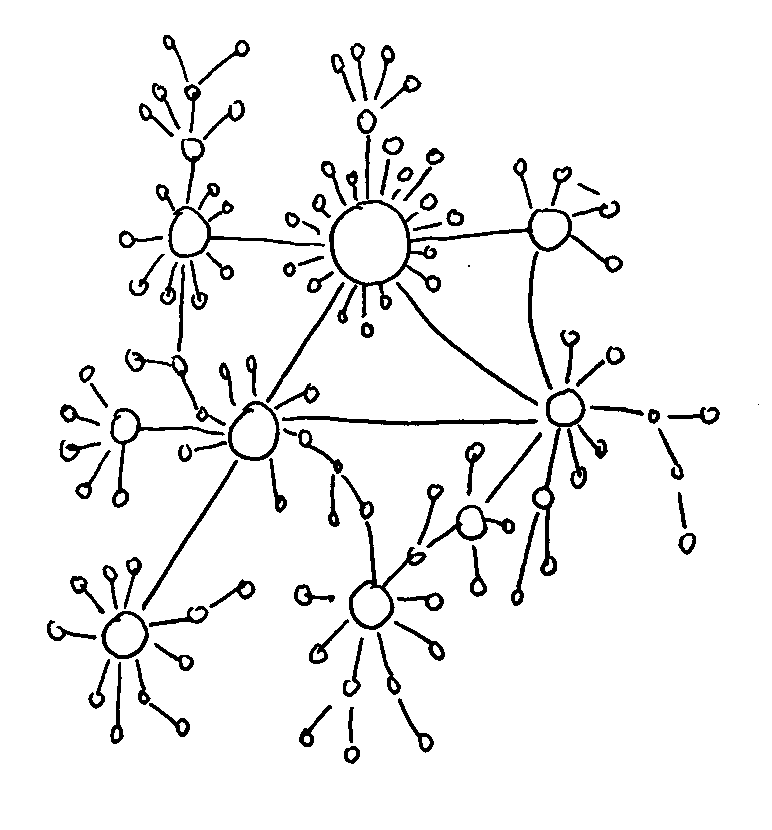

Complex Networks: A topic discussed in this course.
When you click on a topic above, you’ll be directed to a collection of Complexity Explorables that illustrates one of more of the topics.
A while back I launched the Complexity Explorables website in order to illustrate intuitively some of the more or less famous models of complex systems science. The models exhibit complex behavior and help explaining complex systems observed in natural and social systems. The Complexity Explorables will play a prominent role in the course.
Take a quit break and explore some here.
In the seminar, every student will give a presentation on one of the explorables.
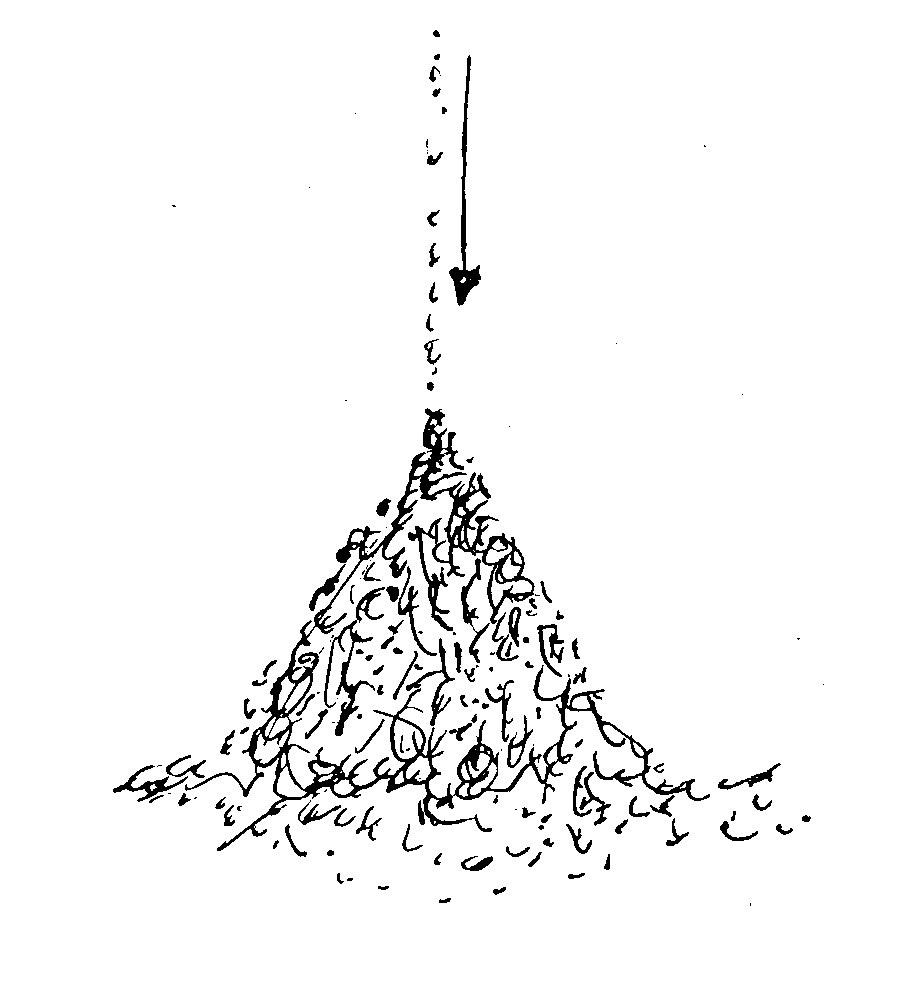

A growing sandpile: An example of self-organized criticality.
The lecture will also cover a number of basic theoretical modeling methods, analysis tools and techniques that are required to understand and appreciate the richness and beauty of complex systems.
The Tutorials
On this site you will find a number of tutorials that cover topics that are useful to understanding some models and phenomena discussed in the course. Mostly these tutorials explain some basic mathematical concepts and methods that are used in the course. They are provided for those of you who are not familiar with the concepts or need a refresher. You can find the tutorials in the tutorials section.
Language
The course language is English. This means the lectures will be given in English and the students given there seminar talk in English, too.
Requirements
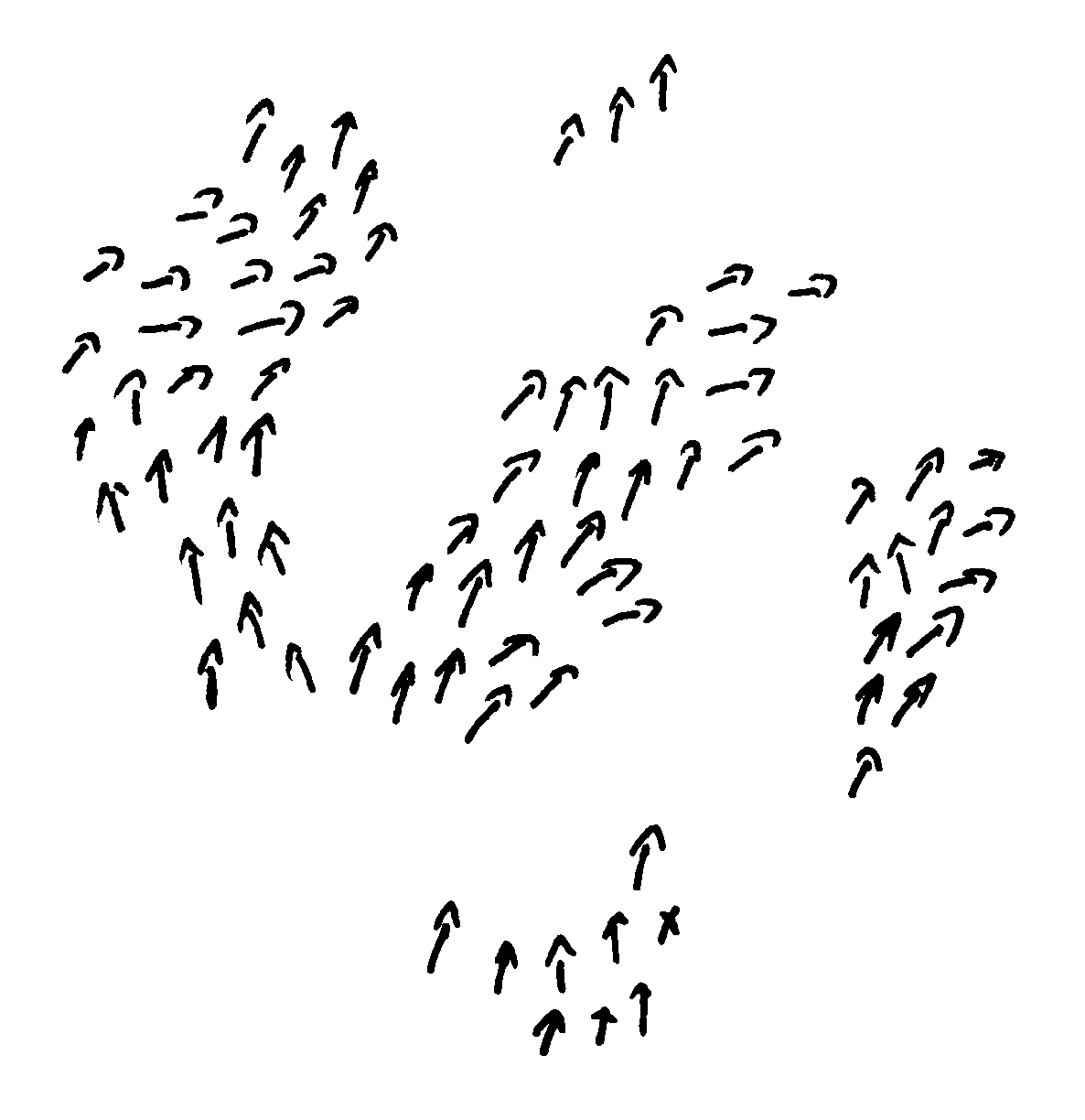

Collective Behavior: How do birds flock? We will discuss it in this course.
The basic requirements for the successful completion of the course is a basic knowledge of calculus and very basic knowledge of differential equations. Programming skills are not required but helpful.
If you are uncertain whether you meet the requirements, contact me.
Every student requires a laptop computer.